



As someone who travels often, I stumbled upon an intriguing discovery: it’s possible to buy items on airplanes without actually paying for them. Here’s how I uncovered this peculiar loophole.

The Initial Curiosity
As someone who spends way too much time trapped in flying Wi-Fi-less tubes, I stumbled on a bizarre discovery: apparently, you can buy stuff mid-air without actually paying for it… at least not instantly. That’s right airplane snacks have a built-in “try now, maybe pay later” feature.
The Payment Conundrum
During my frequent flights, I often need to buy coffee, food, or a bottle of water. In 2024, we no longer use physical money, credit cards are the norm. Yet, flight attendants always ask us to activate airplane mode, and even if we don’t, there’s no way to have network access during the flight. So, how do in-flight payments work?
The Workflow Revelation
I began my research to understand the workflow. Here’s what I found:
- There’s no internet connection during the flight, and thus no instant communication with bank servers.
- When you present your card, the machine stores the information from your card.
- Once the airplane lands and reaches its final destination, it connects to the internet, and the payment is processed. Only then you receive the payment notification.
This seemed like a normal process, but something was missing. Since there’s no network, there’s no balance check during the flight. What happens if I have a credit card with a zero balance? Would I still be able to buy my coffee? And when we arrive at the airport, how would my bank handle my zero balance? Would my balance go negative?
Putting the Theory to the Test
To understand this better, I decided to test it out. Given my financial struggles and background as a hacker, I had a card with a -$100 balance. During a flight, I was hungry and decided to try my hack. I ordered food, coffee, and water and confidently presented my card.

Ten seconds later, the attendant thanked me and said, “Enjoy!” I was shocked. How did this work?
I waited until we landed, expecting a notification from my bank, but received nothing, even after three days.
Verifying the Bug
Was this real? Did I find a bug in the system? To confirm, I tried the same trick on my flight back with a different airline. It worked again! No notification, no charge. This convinced me it was a general bug.
However, this was just my experience. I needed more information to understand if this was a common issue.
Deeper Investigation
I dug deeper and discovered that low-cost and medium-sized airlines often face this issue. However, some major airlines use sophisticated technologies with satellite connections that mitigate this problem directly.
Exploiting the Loophole
This information is shared solely for educational purposes to raise awareness of potential vulnerabilities, while legitimate in-flight purchases are lawful, any exploitation of these systems is strictly prohibited by law. Here’s how such a loophole could be exploited :
How can Hackers exploit this? By buying items that can be resold later, like cigarette packs, perfumes, wine bottles, and gifts…
However, there’s a limit to how much you they can spend during a flight. They don’t want to attempt a $500 purchase if the maximum allowed is $300.
To deal with this, they can look for the most expensive product on the flight and ensure the maximum allowable amount is equal to or greater than that product’s cost. Then, buy multiple items that add up to that high amount.
How can they know the exact spending limit? Well, they usually don’t. In practice, many passengers would want to buy two of the same product, so even the most expensive items can often be purchased more than once without raising alarms. Exploiters don’t really know the hard cap in advance, but they can make guesses and stop just before hitting the limit
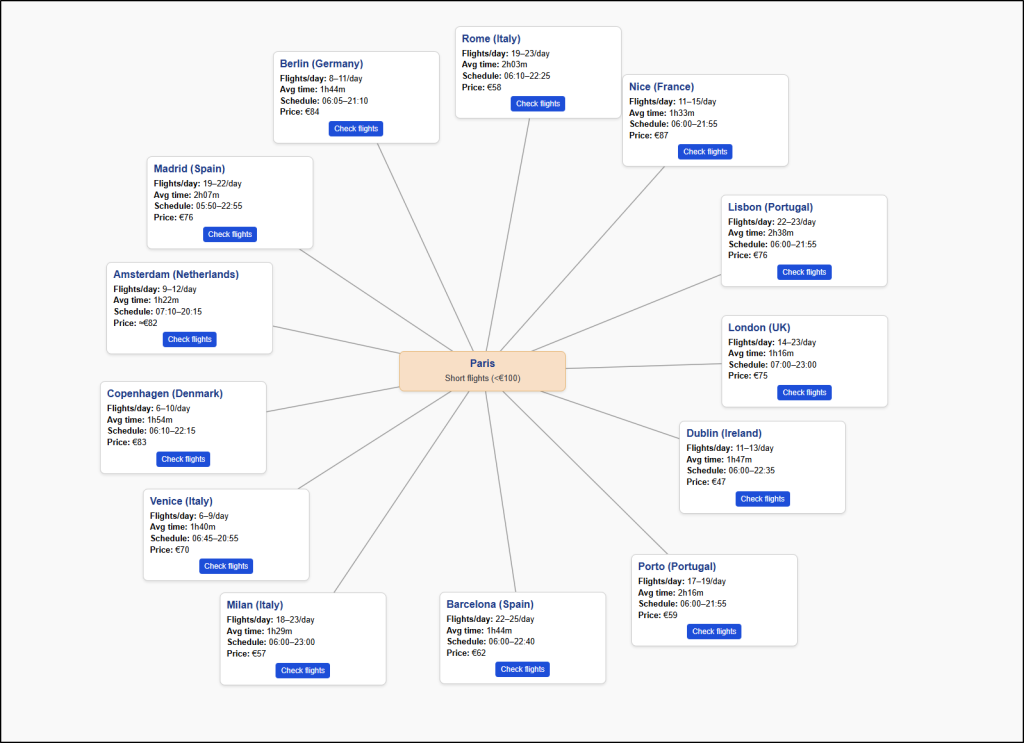
🔎 The graph above maps out short flights from Paris (all under €100 round-trip).
While it looks like a neat travel hack, in a security research context it highlights how a flaw in the in-flight payment ecosystem could be abused. What seems like cheap trips can actually demonstrate how small loopholes if left unchecked might critically disrupt the aviation economy.
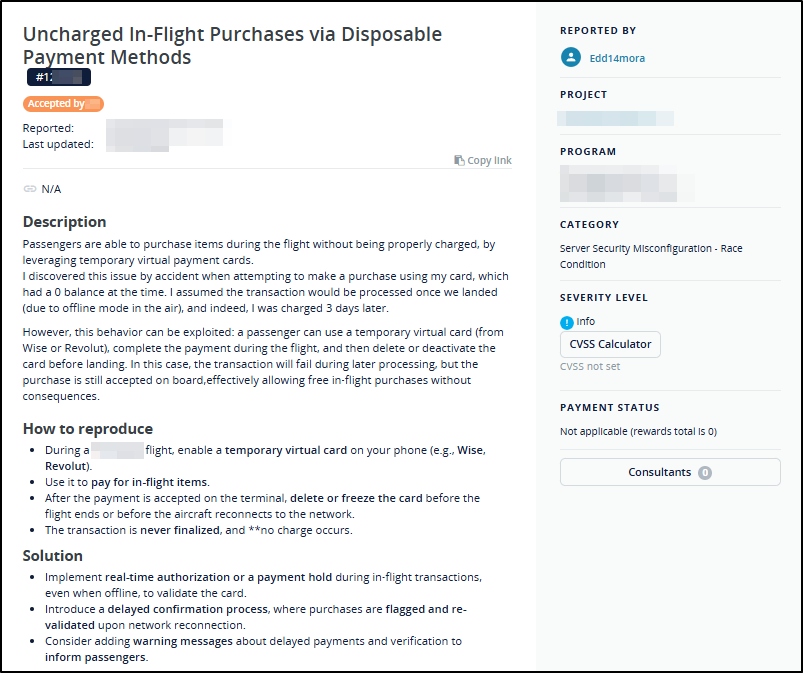
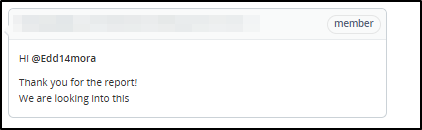
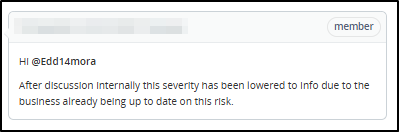
I’ve reported this issue to the companies where I was able to reproduce the bug, but guess what? They acknowledged it yet classified it as informative, basically accepting the risk… 🙂
PS: I discovered this little bug quite a while ago, but I never exploited or abused it in any way. Nowadays, things have changed, and I believe the issue has already been fixed.
I’m sharing it now purely for curiosity’s sake and the fun side of hacking.